नेपाल विज्ञान तथा प्रविधि प्रज्ञा-प्रतिष्ठान
Nepal Academy of Science and Technology (NAST)
नेपाल विज्ञान तथा प्रविधि प्रज्ञा-प्रतिष्ठान
Nepal Academy of Science and Technology (NAST)
खूमलटार, ललितपुर
Nepal Academy of Science and Technology (NAST)
Nepal Academy of Science and Technology (NAST)
खूमलटार, ललितपुर
Environmental Research Laboratory |
|
|---|---|
| प्रमुख | |
| महाशाखा | विज्ञान संकाय |
Background
Environment research laboratory conducts research on environment, climate and biodiversity conservation related issues. Major programs of this laboratory are Water quality monitoring, purification, treatment and analytical service; Biodiversity conservation and climate change in relation to Ex situ seed conservation via seed banking and carbon measurements and carbon cycle research.
Current Research Activities
Water Quality Monitoring
The purpose of this program is to test the quality of water in community drinking water sources. Initially, this program will cover the districts of Far Western Province and will gradually test the quality of community drinking water sources available in other parts of the country. This program will help to prepare baseline data on the quality of community drinking water.
Water Quality and purification Research and Analysis Service
Water quality analytical service: Water quality testing program was carried out since 2002. Major water samples analyzed in the Environment Research laboratory are groundwater, tap water, processed drinking water, tanker water. The analyzed regular parameters are pH, temperature, turbidity, electrical conductivity, chloride, total hardness, iron, ammonia, nitrate, arsenic, total coliform count, E. coli count etc.
Water Quality and Purification: Surveillance of drinking water quality such as supply water, processed drinking water, tanker water, stone spouts, groundwater and surface water (Since 2002). The objective of this study was to evaluate the physical, chemical, and biological parameters of water samples from different places of Nepal. This program disseminates laboratory findings to the general public and provides ‘Lab to land’ awareness on safe drinking water and sanitation practices.
Drinking water Treatment (bench Scale)
• Removal of heavy metals using adsorbents (Since 2017)
• Removal of Bacteria, Ammonia and Turbidity from water (Since 2022)
• Arsenic contamination in Environment (Groundwater, soil and rice grain) (Since 2022)
• Microplastic pollution in aquatic Systems (Since 2021)
• Microbial diversity and antibiotic resistance in wastewater (sewage, pharmaceutical and hospital wastewater) (Since 2022)
Seed Conservation- NAST Seed Bank
Ex situ conservation via seed banking: Seed conservation program aims to conserve seeds of wild plant species from different geographic areas of Nepal to aid conservation of plant biodiversity of Nepal. Currently running Seed bank of NAST was established as Himalayan Seed bank (HSB) in collaboration of EVK2CNR, the University of Pavia, Italy and NAST (2010-2015) for the purpose of ex-situ conservation of wild, endemic and medicinal high altitude plant biodiversity of Nepal. Under this program seeds of wild plant species are collected from different forest types of Nepal every year. Collected seeds are curated and conserved under -20°C in the seed bank of NAST. There are seeds of 285 plant species conserved in NAST seed bank. These seeds can be used for research, reintroduction and rehabilitation of forests in the future.
Utilization of Seed Phenological Modeling Tool for species resilience to Climate Change: Biodiversity conservation research activity focuses on implementing seed phenological models for the prediction of species resilience to climate change that aids in biodiversity conservation.
This program implements seed physiological and germination phenological traits and utilizes phenological, a mechanistic modeling tool for the prediction of future plant regeneration and seedling establishment resiliency to the projected climate change. Thus, this program aids in future forest management and climate change adaptation issues that have biodiversity conservation implications.
Carbon measurements in Nepal
The Carbon Research Laboratory at NAST is a specialized research facility dedicated to advancing scientific knowledge on carbon dynamics, climate change, and ecosystem processes. The laboratory supports multidisciplinary research on soil, vegetation, and atmospheric carbon, contributing to Nepal's efforts in climate change mitigation, sustainable land management, and evidence-based environmental policymaking. The Laboratory conducts research on soil organic carbon (SOC), soil organic matter (SOM), carbon stocks, carbon sequestration, and soil carbon dioxide (CO₂) emissions across forests, grasslands, agricultural lands, and alpine ecosystems.
The laboratory is equipped to analyze soil carbon emissions and key physicochemical properties, including SOC, pH, electrical conductivity, bulk density, moisture content, and particle-size distribution, supporting research on carbon cycling, ecosystem health, and climate-resilient land management. It also serves as a center for research and capacity building by supporting students, training researchers, and collaborating with national and international institutions. Through high-quality scientific data and peer-reviewed publications, the laboratory contributes to regional and global carbon research, strengthens carbon databases, and supports climate change mitigation and sustainable environmental management.
The Carbon Research Laboratory at NAST contributes to regional and global carbon research by generating high-quality scientific data and publishing peer-reviewed research. Its findings strengthen global carbon datasets, improve the understanding of carbon dynamics, and support climate change research and evidence-based environmental management.
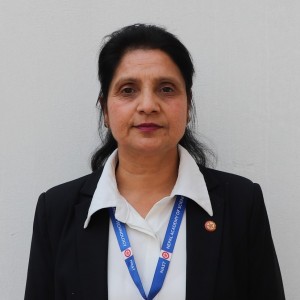
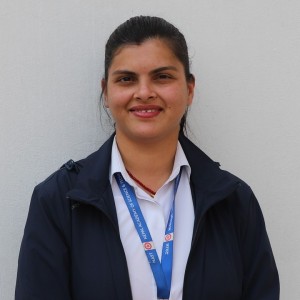
Team Members
1. Dr. Deepa Shree Rawal ([email protected]; [email protected])
2. Dr. Tista Prasai Joshi ([email protected]; [email protected])
3. Dr. Deepa Dhital ([email protected]; [email protected])
4. Dr. Neel Kamal Koju (neelkamal.koju@ nast.org.np; [email protected])
5. Ms. Rachna Jha ([email protected]; [email protected])
6. Ms. Sarala BC ([email protected])
| मिति | शिर्षक | विवरण | फाईलहरु | एक्सन |
|---|---|---|---|---|
| No Post Found. | ||||